How to Protect Your Hamilton Home from Pests in Winter
If you are seeking helpful pest control Hamilton tips for the cold season, the key is to stop winter pests before they take hold. In Hamilton, ON, frigid temperatures, snow, and back-and-forth freezing and thawing push rodents, insects, and humidity-attracted pests indoors. That means mice, rats, cluster flies, cockroaches, spiders, and even silverfish can become a serious winter concern, especially in established neighbourhoods and homes with aging building materials.
Winter protection is not just about reacting to a problem after you see one. It is about preparing for winter, sanitation, monitoring, and exclusion so pests cannot use your house as shelter. A good plan reduces rodent activity, blocks entry points, and helps prevent infestation before it moves through your living space.
How winter invaders are a bigger issue in Hamilton homes
Hamilton’s Hamilton winter climate is tough on homes and hard on pests. When freezing temperatures arrive, outdoor food sources dry up, nests become exposed, and pests start looking for warmth, water, and quiet places to hide. That is why winter pest pressure often increases in basements, attics, garages, and wall voids.
Rodents are especially persistent. Mice can slip through tiny house entry points, and rats will exploit larger gaps near foundations, utility openings, and damaged venting. Once indoors, they look for nesting areas with easy access to food and moisture. In many homes, those conditions exist in storage rooms, unfinished basements, and cluttered corners.
Hamilton’s housing mix adds to the challenge. Many older homes have settling foundations, worn masonry, and gaps around windows, pipes, and door frames. These issues are common in parts of Dundas, Stoney Creek, and downtown Hamilton, where aging construction can create hidden routes inside. Even a small crack can become a reliable route for pests if it is not addressed with proper exclusion techniques.
Winter also changes how families use their homes. Holiday food, extra indoor storage, and less frequent garage use can all increase attractants. If you are not checking the home perimeter regularly, you may not notice pests until there are droppings, scratching sounds, or damage to insulation and wiring.
What critters are most common in Hamilton during winter?
Many pests show up regularly in Hamilton during the cold weather. The most common winter invaders include rats, cluster flies, cockroaches, and spiders. Each one behaves differently, but all of them can get by by finding warmth and shelter indoors.
Rats and mice are the biggest concern for many homeowners because they reproduce fast and cause damage. They chew through packaging, contaminate food, and may damage insulation and wiring. In severe cases, they create sanitation issues that spread past one room.
Cluster flies often become easy to spot when they gather in attics, upper walls, or around sunny windows on warmer winter days. They do not usually breed indoors, but they can be a nuisance when they overwinter in hidden spaces. If your home has gaps near soffits or attic vent covers, cluster flies may use them to get in.
Cockroaches are another winter pest that can survive inside heated buildings year-round. They are attracted to moisture, crumbs, grease, and clutter. Kitchens, laundry areas, and basements with damp conditions are common trouble spots. Because they hide well, a few sightings may indicate a larger infestation.
Spiders are often drawn indoors because there are insects to feed on, and they can hide in quiet places like storage rooms, crawlspaces, and corners near ceiling junctions. While many spiders are not dangerous, they can signal broader pest activity in the home.
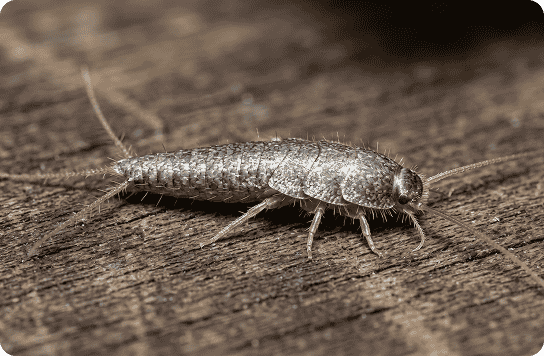
Silverfish also become more noticeable during winter in humid areas, especially where paper, cardboard, or stored textiles are kept. They are often linked to moisture and can thrive in neglected storage spaces.
In what way do pests get in during cold weather?
Most winter invaders do not need a wide opening. They use small, overlooked access routes and follow heated air, food odours, or hidden travel paths. The most common entry points in Hamilton homes include foundation cracks, utility line gaps, damaged https://www.bing.com/maps/directions?rtp=~adr.62%20First%20Rd%20W%20Hamilton%2C%20ON%20L8J%203R2%20Canada door sweeps, and openings around attic vents.
Foundation cracks are a serious concern because they often appear where concrete has shifted over time. This is especially relevant in older homes, where age, moisture, and freeze-thaw stress may weaken the structure. Rodents can squeeze in through tiny cracks, and insects can follow air currents into wall spaces.
Gaps around plumbing, electrical, gas, and cable lines are an additional common issue. These utility line gaps are often hidden behind appliances, in basements, or near furnace rooms. If they are not sealed, they become convenient entry points for mice and insects.
Doors are also a weak point. Worn door sweeps leave room for pests to slip under garage doors, basement doors, and exterior entrances. Even a narrow gap can be sufficient for mice, especially when temperatures drop and they become more active indoors.
Attic vents can also be vulnerable if screens are damaged, missing, or not fitted properly. Rodents, birds, and insects can exploit these spaces, particularly when they are searching for warmth and a place for nesting.
Which winter-proofing measures should Hamilton homeowners consider?
Effective winter protection starts with sealing gaps and using effective seal strips. Inspect your home and examine the exterior carefully. Look at windows, door frames, siding transitions, utility penetrations, vents, and areas where different building materials meet. If light, air, or moisture can get through, pests may be able to get through as well.
Exclusion is one of the strongest long-term strategies. Use pest-resistant materials to close openings, and make sure repairs are durable enough to handle winter weather. Proper seal-and-close methods do more than block pests; they also help improve energy efficiency and reduce drafts.
Weatherstripping around exterior doors and garage entries is essential. Replace cracked or flattened seals, and check the bottom edge of the door for daylight. A proper seal can reduce pest movement and improve winter comfort indoors.
Below-grade insulation also matters. Damaged or missing insulation can create hidden voids that pests use for cover and nesting. If insulation is wet, compressed, or chewed, it may need to be replaced after the source of the problem is corrected. In Hamilton’s damp winter conditions, insulation should be kept dry and properly fitted.
Garage maintenance is another important step. Garages often store pet supplies, outdoor gear, bird seed, recycling, and seasonal clutter, all of which can attract pests. Examine garage doors, storage shelves, and wall edges for gaps. Keep the space tidy so it does not become a sheltered route into the rest of the house.
How can you minimize food sources around the house?
Even the best sealing work will not do much if your home creates easy nourishment and protection. Limiting attractants is a core part of pest prevention. Begin with with food storage. Store dry goods in sealed containers, leave counters clean, and do not keep pet treats open in pantries or on shelves.
Garbage bins should have tight-fitting lids and be kept covered at all times. Outside, place them away from doors where possible and clean them often to limit odours. Spilled food or residue near bins can draw rodents and insects toward the home perimeter.
Pet food is another common attractant. Do not leave bowls full overnight if you have seen rodent activity or insect problems. If possible, feed pets at regular times and store kibble in sealed containers. This practical step can improve sanitary conditions greatly.
Clutter reduction is especially useful in basements, laundry rooms, and storage areas. Cardboard boxes, stacks of paper, unused fabric, and piles of debris can create concealment areas and nesting material. Less hiding places means fewer opportunities for pests to move in.
Good sanitation also includes sweeping under appliances, behind storage shelves, and around utility areas. Remove crumbs, fix leaks without delay, and watch for any sign of moisture. Pests are much more likely to stay where food, water, and cover are easy to find.
What should you look for in basements, attics, and crawlspaces?
The concealed spaces in your house often show the earliest warning signs. Basements, attics, and crawlspaces should be inspected often during winter because they can collect warmth, moisture, and pest activity before the problem reaches the main living areas.
Look first for moisture buildup. Wet walls, condensation, staining, or musty smells can indicate a problem that may attract insects and rodents. In Hamilton, moisture is often made worse by conditions linked to Lake Ontario humidity and winter thaw/freeze cycles, which can raise basement dampness and pest attraction.
Check exterior vents to make sure they are intact and clear. Damaged vents can let pests in, while blocked vents can trap moisture inside. Properly fitted vent covers help support airflow and reduce access points at the same time.
Watch for nesting materials such as shredded paper, fabric, insulation fragments, or chewed packaging. These are signs that rodents may already be active. In attics and crawlspaces, these materials often accumulate near warm pipes, ducts, or stored items.
Look for insulation damage, too. If insulation has been chewed, disturbed, or compressed, it may indicate pest movement. Rodents often tunnel through insulation to create hidden paths, and insects may shelter in damaged sections. Because these spaces are hard to watch every day, even small signs should be taken seriously.
When should you call a pest control professional in Hamilton?
You should call a expert when you spot clear signs of infestation rather than waiting for the problem to grow. Common warning signs include small droppings, scrabbling in the walls, repeated sightings of the same pest, and evidence of gnawing.
Feces are one of the most obvious signs of a rodent problem, especially in cellars, pantries, and along baseboards. If you find new droppings, there might be active nesting nearby. You may also notice grease marks, moved insulation, or narrow paths along walls.
Gnawed wires are a significant issue and should not be ignored. Pests can chew wiring in attics, basements, and behind appliances, leading to safety risks and costly repairs. If you suspect this kind of damage, a professional inspection is a smart course of action.
An expert can examine the whole building, detect hidden gaps, and recommend focused rodent control and sealing work. This is especially useful in Hamilton homes where settling foundations, older materials, and linked spaces make DIY identification difficult. A pest professional can also help with preventive pest control so the issue does not reappear after winter.
In what way do local Hamilton conditions affect pest pressure?
Local geography has a significant influence on pest pressure. Hamilton’s location near the Niagara Escarpment and adjacent green space creates natural habitat for pests and wildlife, which can move nearer to homes when temperatures fall. Homes near wooded edges, ravines, and landscaped corridors may face more pest activity as animals look for cover.
At once, Lake Ontario affects cold-season dampness and humidity. This dampness can enter lower levels of homes, particularly in older home foundations and raw basements. Moist conditions can increase attraction for insects like cockroaches and silverfish, and can also make a property more appealing to rodents seeking shelter.
Hamilton's combination of dense urban neighbourhoods and older housing stock produces many access opportunities. In areas with narrow lot lines, shared walls, and connected garages, pests can move from structure to structure with relative ease. The result is increased pest pressure in places where sanitation, shelter, and hidden routes overlap.
That is why local experience matters. A pest strategy for Hamilton should reflect the realities of older brick homes, basement apartments, cold lake-influenced winters, and the wildlife corridor effect created by nearby green space. A generic approach often misses the real source of the problem.
Mosquito Man Hamilton62 First Rd W, Hamilton, ON L8J 3R2, Canada
+1 289-408-9573
https://maps.app.goo.gl/47W3PJ15EnQopiUf6
https://sites.google.com/view/pest-control-hamilton-ontario/
43.1795221, -79.7846013
Winter pest prevention checklist for Hamilton homeowners
Use this seasonal maintenance routine to lower your risk of pest problems through the winter:
- Examine the entire home perimeter for cracks, gaps, and damaged seals.
- Carry out a winter home inspection of doors, windows, foundations, and utility penetrations.
- Implement exclusion methods to seal access points around pipes, vents, and foundations.
- Swap out worn weatherstripping on doors and garage openings.
- Review basement insulation and look for damp or damaged sections.
- Keep attic vents and vent covers in good repair.
- Store food in sealed containers and keep food storage areas clean.
- Close garbage bins tightly and clean them regularly.
- Minimize clutter in basements, attics, crawlspaces, and garages.
- Monitor for droppings, gnaw marks, nesting materials, and moisture problems.
- Install monitoring traps where appropriate to track rodent activity.
- Arrange a professional inspection if signs of pests continue.
This checklist works best when done early, before pests establish themselves. Regular seasonal maintenance keeps your home less inviting and helps prevent small vulnerabilities from turning into a bigger infestation.
Frequently asked questions about winter pest control in Hamilton
Why do pests come inside more often during Hamilton winters?
Hamilton's cold season drives pests indoors because outdoor food sources disappear and freezing temperatures make shelter harder to find. Rodents and insects seek warmth, moisture, and quiet nesting areas inside homes, especially where entry points are easy to access. In Hamilton, ON, winter pest pressure often rises because older buildings and damp lower levels provide ideal conditions for shelter.
What’s the most effective way to stop mice from entering my house?
The best approach is entry point sealing paired with exclusion work. Check the foundation, utility openings, door bottoms, and vents, then seal gaps with durable materials. Add proper weatherstripping, reduce clutter, and keep food secured. This combination blocks access and eliminates the attractants that help mice stay.
Are cluster flies a problem in Hamilton homes in winter?
Yes, cluster flies can be a winter nuisance in Hamilton homes, especially in attics and upper wall spaces. They often enter through small openings in late summer or fall and remain hidden through winter. Homes with gaps near soffits, vents, or rooflines may see more problems. A thorough inspection and exclusion plan can reduce future activity.
How do I know if I need professional pest control in Hamilton?
You should think about professional inspection if you see repeated droppings, hear scratching, find chewed wires, or notice signs of nesting. If DIY sealing and cleaning do not stop the problem, a local expert can identify hidden access points and recommend targeted pest control Hamilton solutions. This is especially important if the issue is affecting basements, attics, or crawlspaces.
What parts of my home should I inspect first for winter pest entry?
Start with the foundation, doors, windows, utility penetrations, and attic vents. Then check basements, attics, and crawlspaces for moisture, debris, and signs of rodent activity. These areas usually reveal the earliest problems and are the most likely places for pests to enter, shelter, and nest during Hamilton winters.